


If you are looking for effective ways to grow your business online, then you might have definitely asked yourself at some point: Which strategy should you invest in — SEO (Search Engine Optimisation) or PPC (Pay Per Click)?
The SEO vs PPC debate is one of the most common discussions in digital marketing, and most businesses struggle to decide which approach will deliver better results.
So, which one works best and delivers better results?
The truth is both strategies work differently, and there is no one-size-fits-all solution. The right strategy actually depends on your business goals, budget, timeline, and target audience.
In this guide, we are going to break down how SEO and PPC actually work and compare them in terms of costs, speed, and long-term value so that you can decide which one is the right choice for your business.
What is SEO?
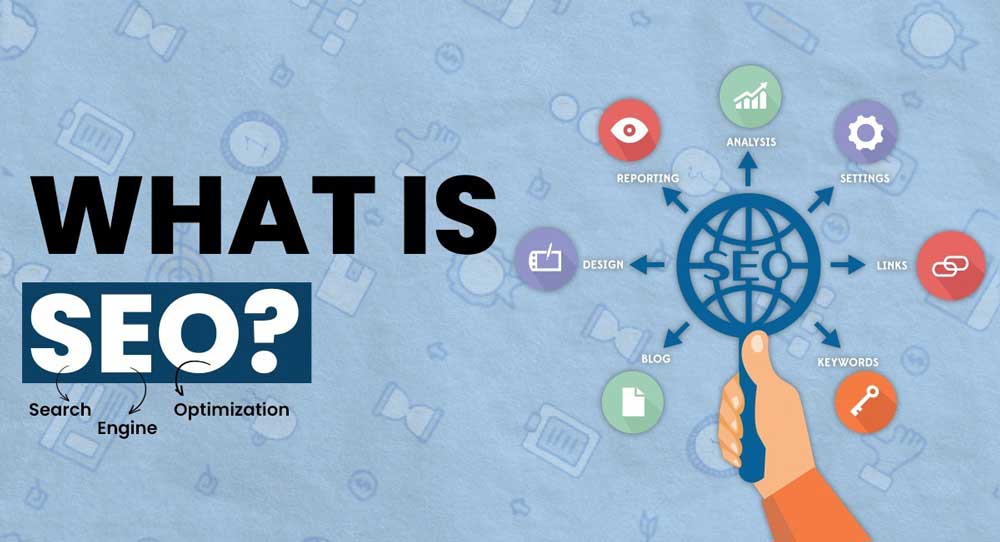

Search engine optimisation is the practice of optimising your website’s content, structure, and technical performance so it ranks higher in organic search results.
SEO typically involves optimising several aspects of a website, including:
- Keyword research: identifying what your audience is searching for
- On-page SEO: titles, meta descriptions, headers, internal linking
- Technical SEO: site speed, mobile-friendliness, crawlability, structured data
- Content creation: blog posts, guides, and landing pages that answer search intent
- Link building: earning backlinks that signal authority to search engines
For example, say your online shoes business wants to attract customers searching for “best sports shoes for beginners”, then implementing an effective SEO strategy can help your website appear organically in relevant search results.
What is PPC?

Pay-Per-Click (PPC) is a paid advertising model where advertisers pay a fee each time someone clicks on their advertisement. Google Ads is one of the most widely used PPC platforms, along with Microsoft Advertising, although PPC also include paid social ads on platforms like Meta Ads and LinkedIn Ads. When users search for related terms, the company’s ad may appear in sponsored positions.
PPC typically involves:
- Keyword bidding: competing for ad placement on specific search terms
- Ad copywriting: crafting compelling, clickable ad text
- Landing page optimisation: converting paid traffic into leads or sales
- Budget management: daily/monthly spend caps and bid strategies
- Continuous testing: A/B testing ad variations for better performance
SEO vs PPC: Key Differences

The biggest difference between SEO and PPC is how you acquire search visibility.
| Factor | SEO | PPC |
| Traffic Type | Organic | Paid |
| Speed to Results | Slower (3-12 months) | Faster (immediate, once live) |
| Long-Term Value | High | Depends on continued spending |
| Cost Per Click | No direct click fee | Have to pay for clicks |
| Budget Control | Less direct | High |
| Scalability | Gradual | Fast |
| Brand Visibility | Strong over time | Immediate |
| Testing | Relatively slower | Fast |
| Traffic Stops | Usually doesn’t stop immediately | Stops when campaigns stop |
| Best For | Long-term growth | Immediate results |
For most businesses, both strategies can complement each other to generate effective results rather than compete against each other.
Which Gives Faster Results: SEO or PPC?
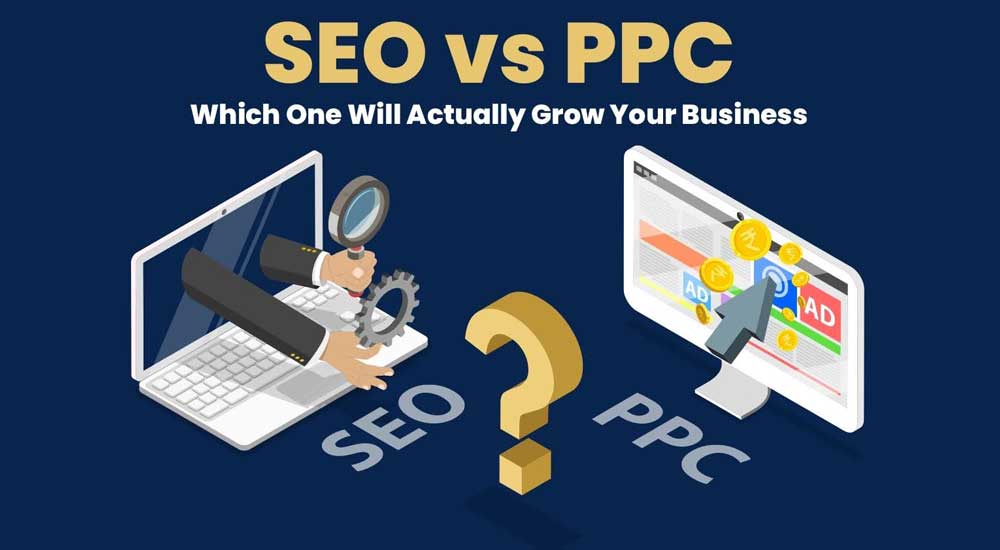

If you need faster results, then PPC generally has the advantage over SEO. Once you run a PPC campaign, ads will start generating impressions and clicks quickly. On the contrary, SEO takes longer because search engines need time to crawl, evaluate, and rank a website. This timeline could depend on factors such as the website’s authority, competition, content quality, technical health, and target keywords.
PPC for Quick Visibility
PPC can be particularly useful when:
- Launching a new product or business
- Having a limited-time promotion
- Need leads quickly
- Want to test a new market
- Want to generate traffic for a specific landing page
Benefits of PPC
Immediate visibility: PPC advertising drives traffic quickly, making it ideal for time-sensitive promotions, product launches, and testing new markets.
Precise targeting and measurable ROI: PPC campaigns offer full control over factors such as audience demographics, device, location, and ad scheduling, while offering real-time performance data to help marketers measure and optimise results.
Ideal for testing: Running PPC campaigns can help identify which keywords, ad messages, and offers actually generate conversions. These valuable insights can then be used to build a long-term SEO content strategy.
Valuable in competitive or new markets: For new businesses or websites with little to no authority, a PPC campaign can help generate targeted traffic and leads while you build an SEO foundation in the background.
SEO for Long-Term Growth
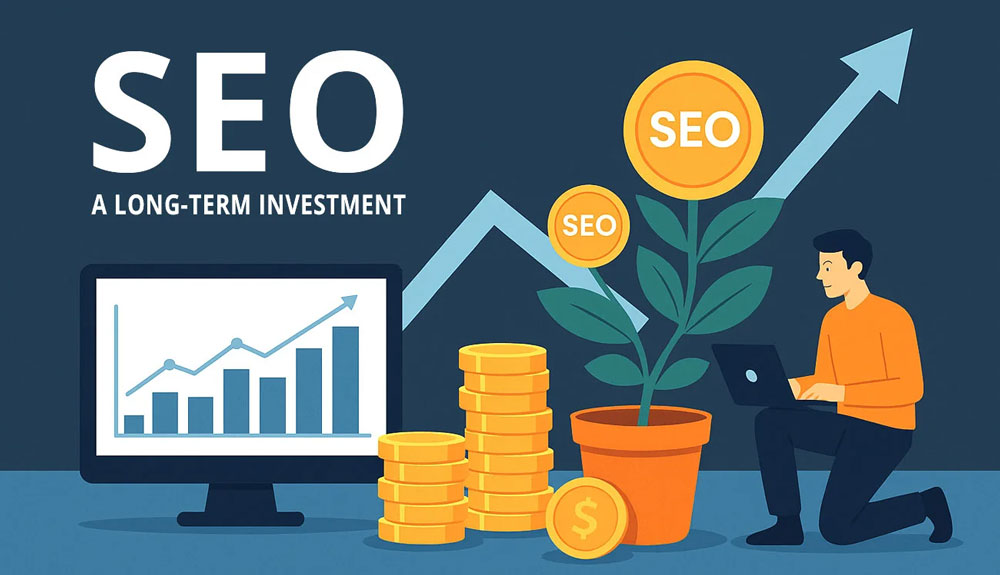

For businesses wanting to build a sustainable source of organic traffic, SEO is generally better suited.
For example, a well-optimised SEO strategy can drive continuous traffic from search engines with blog posts, service pages, landing pages, and other valuable content. Once the website starts ranking for relevant keywords, it can keep on attracting potential visitors without needing to pay for every click.
Benefits of SEO
Compound long-term ROI: Once a page ranks well in search engine results, it can keep generating organic traffic for months or even years with minimal investment and relatively low incremental cost.
Higher trust and credibility: Users often perceive organic results as more trustworthy and authoritative than paid ads. Consistently appearing in top organic positions can strengthen the brand’s credibility and reputation.
Long-term cost efficiency: Compared to PPC, where you typically pay for each click, SEO provides greater long-term cost efficiency by consistently driving qualified website traffic without a direct cost per click.
Sustainable traffic: SEO creates a lasting source of organic traffic that keeps flowing even after you scale back content production. Unlike PPC, where traffic stops the moment your budget runs out, SEO continues to generate visits, leads, and conversions long after the initial investment.
SEO or PPC: Which Approach Delivers Better Results?

The right approach for you largely depends on your business goals, timeline, budget, and how quickly you want the results. No single strategy is universally better or works better for every business’s needs.
- Choose SEO if you want to build a long-term brand presence, achieve gradual but sustainable growth and generate organic traffic without continuous advertising spend.
- Choose PPC if you need faster results, are launching a new product or service, or want precise control over who sees your ads when they see them, and how much you spend.
- Choose both if you want to dominate the search results by appearing in both paid and organic listings. Using SEO and PPC together can help increase overall click-through search visibility, capture more clicks, and strengthen brand recognition.
SEO Vs PPC: Why Combining Both Can Be a Win-Win
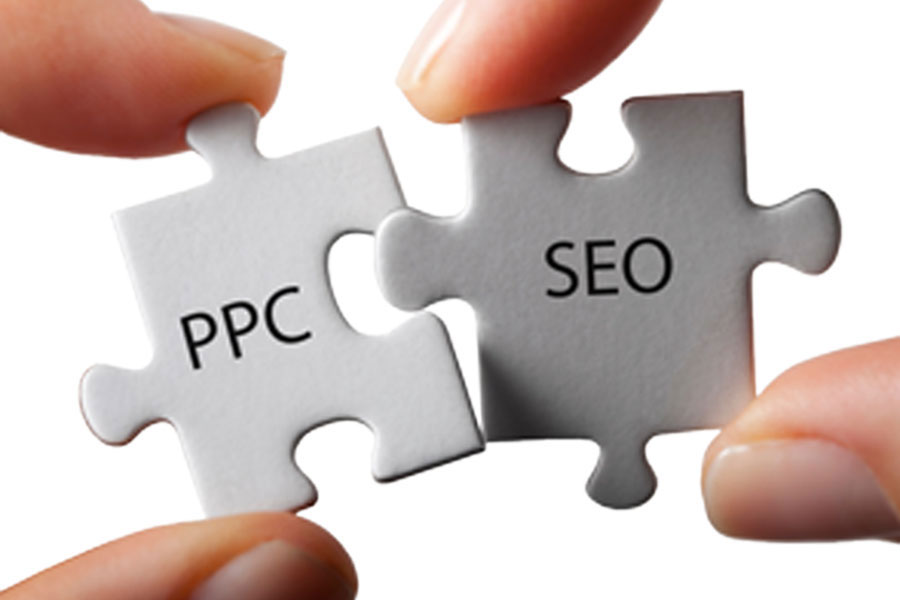

For a successful digital marketing strategy, the best approach is to combine SEO and PPC instead of treating them as competing strategies. Smart marketers often use this hybrid approach to maximise both immediate results and long-term growth.
Use SEO to build a foundation and PPC to accelerate results:
- Employ PPC insights, such as high-converting keywords, to prioritise your SEO content roadmap.
- Use PPC for immediate traffic while you build your SEO rankings.
- Reinforce brand recall by retargeting organic visitors with PPC ads.
- Free up PPC budget from keywords you have successfully ranked for organically.
How to Measure SEO Performance
For measuring your SEO strategy, you can track metrics such as:
- Organic traffic
- Keywords ranking
- Organic conversions
- Search impressions
- Click-through rate
- Leads generation
- Organic traffic revenue
- Organic conversion rate
- Engagement metrics
How to Measure PPC Performance
To measure PPC performance, important metrics include:
- Click-through rate (CTR)
- Cost per click (CPC)
- Conversion rate
- Cost per acquisition (CPA)
- Return on ad spend (ROAS)
- Impression share
- Quality-related ad metrics
- Revenue generated
- Lead volume
- Lead quality
Remember that keyword ranking or clicks aren’t the ultimate goals — generating quality traffic and higher-quality leads are.
Frequently Asked Questions
1. Is SEO better than PPC?
Neither strategy is universally better. The right approach for your business largely depends on your goals, timeline, and budget. SEO is stronger for long-term organic growth, whereas PPC is better for immediate visibility and traffic.
2. Is SEO cheaper than PPC?
SEO is cost-effective in the long term over PPC, as its organic clicks don’t incur a direct advertising charge. PPC costs are ongoing per click; SEO costs are upfront time/effort that pays off over time.
3. Is PPC faster than SEO?
Yes, PPC campaigns generally deliver visibility and traffic much faster than SEO. While SEO requires more time to establish organic rankings and build authority, PPC can start generating targeted traffic almost immediately after a campaign goes live.
4. SEO vs PPC, which is better for small businesses?
The right strategy largely depends on the business, its goals, and how quickly it needs results. PPC can be useful for small businesses that need immediate traffic and leads, while SEO is better suited for building sustainable organic visibility and long-term growth. Many small businesses also benefit from combining both.
5. How long does SEO take to work?
There is no universal timeline for SEO as results can vary significantly from one website to another. In general, it can take 3–12 months to see meaningful improvements in organic rankings, traffic, and visibility. Several factors such as competition, website authority, technical health, content quality, search intent, and the effectiveness of the SEO strategy play a vital role in determining the timeline.

Final Thoughts
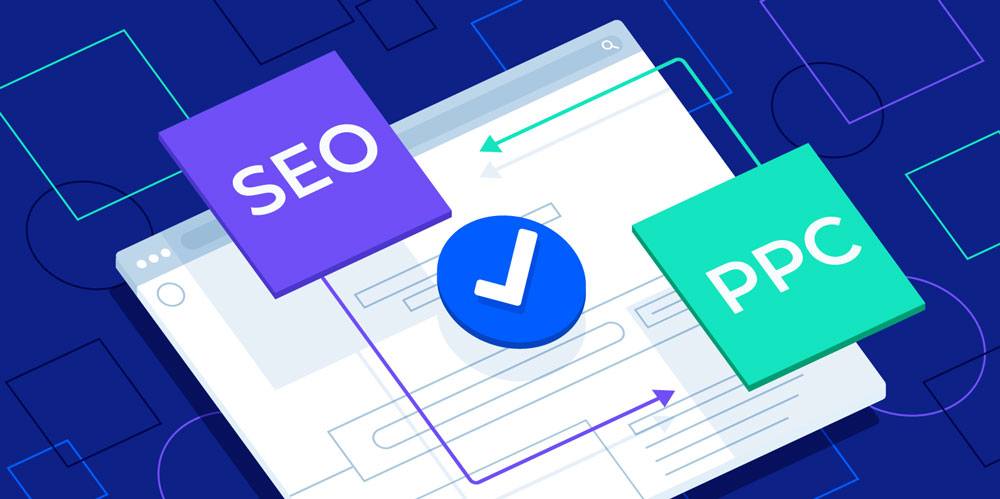
In a nutshell, SEO and PPC are both powerful tools that serve different purposes — neither is better than the other for everyone. If you need quick traffic, immediate visibility, and measurable ad campaigns, then PPC is an ideal choice for you. Whereas if you want long-term organic traffic, sustainable visibility, and strong search authority, then SEO is the better investment.
Bottom Line: Instead of choosing one over the other, leveraging both together can be an excellent approach for most businesses. Use SEO to build sustainable growth and PPC to provide the speed and control needed to capture valuable opportunities, achieve scalable results, and outperform your competitors.