


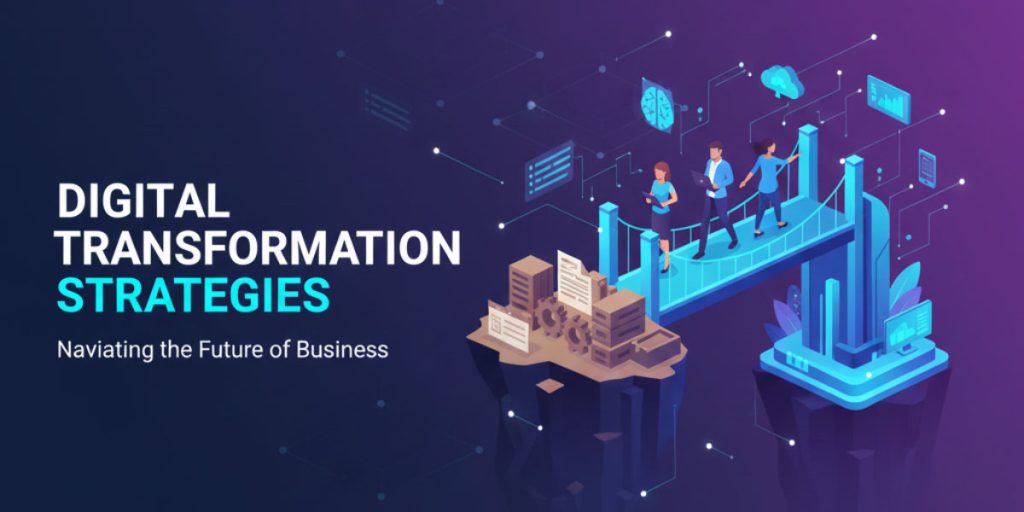
With the rapid advancement of technology, digital transformation has emerged as the foundation of long-term business success. In 2026, organisations across industries are investing in modern digital technologies to improve efficiency, remain competitive, and achieve sustainable growth.
Whether you are a startup, SME, or enterprise, implementing strategic digital transformation is no longer optional—it is a business imperative. The right digital transformation strategy can help you improve operational efficiency, enhance customer experiences, reduce operational costs, and unlock new revenue opportunities.
In this comprehensive guide, we will explore the most effective digital transformation strategies every business should adopt in 2026.
What is Digital Transformation?


Digital transformation is the process of integrating digital technologies across every aspect of a business to enhance customer experiences, improve operations, and drive overall business growth.
A successful digital transformation strategy aligns technology with business goals to create smarter workflows, increase productivity, foster innovation, and build long-term value.
Digital transformation trends involve adapting technologies such as:
- Artificial Intelligence (AI)
- Business automation
- Cloud computing
- Data analytics
- Modern web and mobile applications
- Custom software solutions
Why Digital Transformation Matters?

To stay ahead of the competition in 2026 and beyond, businesses can no longer rely on traditional methods and strategies. Rapid technological advancements, evolving customer expectations, and intensifying market competition are constantly pushing organisations to embrace innovative digital solutions.
Key advantages of digital transformation include:
- Meeting evolving customer expectations
- Staying competitive in a rapidly growing market
- Improving decision-making through data-driven insights
- Improving operational efficiency
- Creating new opportunities for growth
1. Artificial Intelligence for Business Growth


Artificial Intelligence has emerged as one of the most transformative technologies of the modern era, significantly reshaping the modern business landscape. It has enabled organisations to automate tasks, improve customer service, optimise decision-making, and enhance operational efficiency.
AI-powered solutions help businesses by:
- Automating workflows
- Offering intelligent virtual assistants and AI chatbots
- Providing predictive analytics
- Analysing customer behaviour and preferences
- Optimising business processes
- Offering personalised recommendations
2. Custom Software Development


Every business has unique operational requirements that off-the-shelf software may not fully address. Custom software development enables organisations to build tailored solutions designed around their specific processes, objectives, and challenges.
Key advantages of custom software development include:
- Improved workflow management
- Greater operational efficiency
- Seamless system integration
- Enhanced scalability
- Increased productivity
- Superior customer experiences
3. Cloud-Based Business Solutions

Cloud computing is a vital component of modern digital transformation for businesses. As a result, organisations are increasingly moving their data, applications, and infrastructure to cloud platforms to improve flexibility, scalability, and operational efficiency, and to support long-term growth.
A cloud-first approach helps organisations to:
- Decrease infrastructure and operational costs
- Access information from anywhere
- Improve team collaboration and productivity
- Strengthen data security
- Scale resources on demand
4. Data-Driven Business Strategies


Data is one of the most valuable assets for any business. By leveraging data effectively, organisations can make informed decisions, improve their performance, and identify new growth opportunities. To succeed in today’s competitive and ever-changing market, data-driven decision-making is crucial.
Smart data-driven strategies provide valuable insights into:
- Market trends
- Customer behaviour and preferences
- Business performance
- Growth opportunities
- Operational challenges
- Risk management
5. Automated Business Processes


One of the fastest ways to improve business productivity and reduce operational costs is through business automation solutions. By automating repetitive tasks, businesses can accelerate workflows, minimise human errors, and enable employees to focus on important tasks.
Business automation can streamline operations such as:
- HR and employee onboarding
- Customer support
- Invoice processing
- Finance and accounting processes
- Document management
- Sales and marketing workflows
- Inventory and supply chain management
6. Cybersecurity and Data Protection


As modern businesses continue to embrace digital transformation, cybersecurity and data protection have become crucial priorities. With cybersecurity threats growing in both frequency and sophistication, the need to integrate robust security measures into every stage of the digital transformation journey has never been greater.
Protecting sensitive business information, customer data, and other digital assets minimises the risk of cyberattacks and ensures compliance with evolving data privacy regulations.
Key cybersecurity practices include:
- Multi-factor authentication (MFA)
- Data encryption
- Regular security audits
- Endpoint protection
- Employee cybersecurity awareness training
- Constant threat monitoring
- Secure cloud infrastructure
7. Digital Customer Experiences
A customer-centric digital strategy is the key driver of customer satisfaction, loyalty, and long-term business growth. Today’s customers expect businesses to deliver fast, personalised, and seamless digital interactions across every touchpoint. That’s why businesses with a customer-centric digital strategy are better positioned to earn long-term customer loyalty and build stronger relationships.
To improve customer experiences, businesses need to:
- Design user-friendly websites and mobile apps
- Streamline the online purchasing process
- Personalise customer journeys
- Offer AI-powered customer support
- Use customer feedback for improvements
Best Practices for Successful Digital Transformation
In short, to maximise the value of your digital transformation strategy, you should:
- Develop a clear digital transformation roadmap
- Focus on measurable outcomes and ROI
- Align technology investments with your business objectives
- Prioritise cybersecurity and data protection from the start
- Monitor and optimise digital initiatives
- Train your employees with modern digital tools
- Collaborate with experienced technology providers when needed
Frequently Asked Questions (FAQs)
1. What is digital transformation?
Digital transformation is the process of leveraging modern digital technologies, such as Artificial Intelligence, automation, cloud computing, and data analytics, to improve business operations, enhance customer experiences, and drive growth.
2. What technologies are driving digital transformation?
The key technologies driving digital transformation include Artificial Intelligence (AI), business automation, cloud computing, data analytics, custom software development, cybersecurity solutions, and digital platforms.
3. Why is digital transformation important for businesses?
Digital transformation can help organisations increase operational efficiency, reduce costs, support data-driven decision-making, adapt to changing market demands and strengthen their competitive advantage.
4. How can small businesses start digital transformation in 2026?
Small businesses can start their digital transformation journey in 2026 by adopting Artificial Intelligence, cloud-based tools, automating repetitive tasks, and investing in scalable digital solutions.
Conclusion
The latest digital transformation solutions can strengthen your competitive advantage and boost long-term business growth. By leveraging advanced technologies, you can build smarter systems, automate business processes, and deliver seamless digital experiences that create lasting value for your customers.
The future belongs to organisations that can successfully align digital technology with their business objectives to optimise operations and unlock new growth opportunities.
These digital transformation trends and strategies can help you reshape how your business operates, competes, and grows in this digital era to gain a competitive edge.